
Postpartum Doula Services Denver CO: Support After a Hard Birth or C-Section
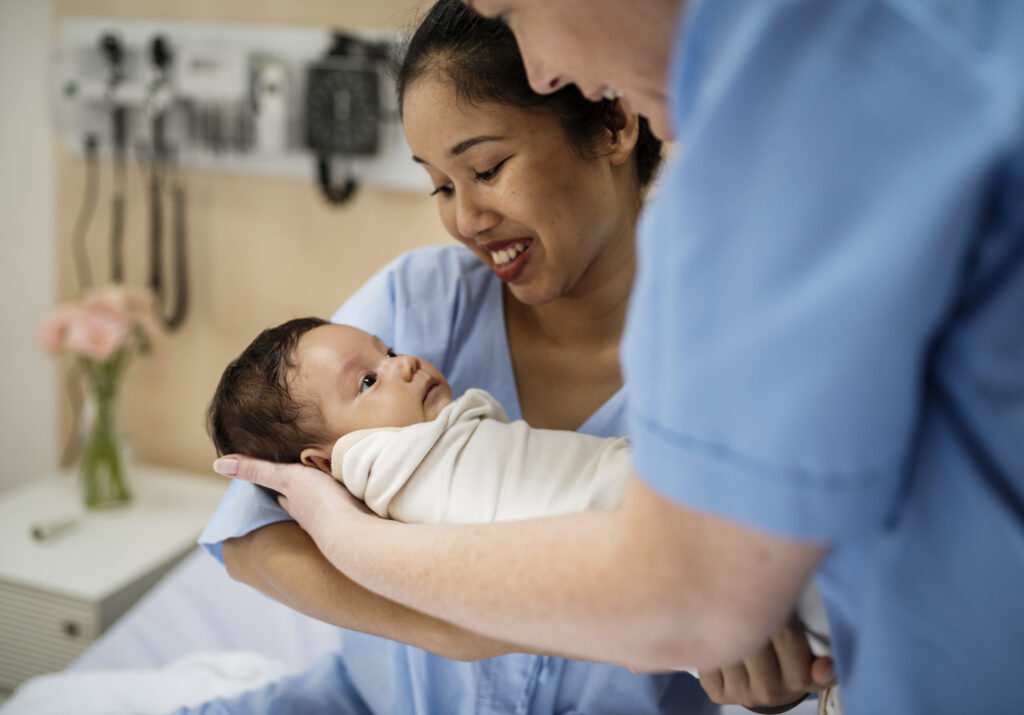
Postpartum doula services in Denver, CO provide physical, emotional, and newborn care support for families recovering from difficult births or C-sections. Because cesarean recovery involves healing from major abdominal surgery while simultaneously caring for a newborn, professional postpartum support helps protect the parent’s rest, reduce isolation, and lower the risk of postpartum depression and anxiety.
The hospital sends you home. It doesn’t send help with you.
Nobody warns you about the specific cruelty of Day 3.
You’re home. The nurses are gone. The epidural has long worn off. Your incision pulls every time you try to sit up, and the baby has been awake since 1 a.m. and will be awake again at 3. Your partner is doing everything they can, and it still isn’t enough — not because they’re failing, but because this is genuinely too much for two people to manage alone.
After a C-section or a birth that didn’t go the way you planned, postpartum recovery isn’t just exhaustion. It’s healing from major surgery while also doing the most demanding physical job you’ve ever had. This piece covers what that actually looks like, and what postpartum doula services denver co families use most when recovery is harder than expected.
A C-Section Is Surgery. It Just Happens to End With a Baby.
About one in three births in the U.S. are cesarean deliveries, but the recovery still catches most people off guard. There’s a cultural habit of treating it as the “easy” birth option — a phrase that tends to come from people who haven’t had one. The reality is that it involves cutting through multiple layers of abdominal tissue, and the body needs significant time to repair that damage.
The first week home is often the hardest stretch. Getting out of bed requires a plan. Lifting anything heavier than the baby is off the table. And the baby, of course, does not know or care about any of this.
What makes this window genuinely hard is the collision of needs. Your body is asking you to rest. Your newborn is asking you to be on call around the clock. Most postpartum support systems — family visits, meal trains, well-meaning texts — are built for typical recovery. They’re not built for this.
A labor and postpartum doula works inside that gap. Not as a medical provider, but as someone trained to hold both things at once: supporting the parent’s recovery and managing newborn care so you’re not constantly choosing between them.
The Emotional Weight Nobody Puts on the Recovery Plan
There’s a version of postpartum that people talk about — tired, but happy. Bonding. Getting the hang of it.
Then there’s the version that happens after a birth that felt out of control, or ended differently than you’d hoped. Parents who experienced emergency interventions, a labor that stalled, or a C-section they didn’t expect often carry something heavier than typical new-parent fatigue. It can feel like grief. Sometimes it is.
Roughly one in five new mothers experience postpartum depression or anxiety, and that number climbs when the birth itself was traumatic or unexpected. Sleep deprivation accelerates everything — and fragmented sleep, the kind that comes with a newborn feeding every two to three hours, chips away at emotional regulation faster than most people realize until they’re already in it.
Having consistent support around you during that period isn’t a wellness luxury. It’s one of the most evidence-backed things you can do. Families with doula support show measurably lower rates of postpartum depression and anxiety — likely because a skilled doula reduces isolation, protects rest, and gives parents someone who’s seen this before and isn’t alarmed by any of it.
What a Postpartum Doula and Overnight Specialist Actually Do
Support looks different for every family, but some patterns show up consistently after difficult births.
During the day, it might look like someone else taking the baby for two hours while you actually sleep — not rest, sleep. It might be help with positioning for breastfeeding after a C-section, when your core isn’t ready for the usual holds. It might just be another adult in the house who knows what they’re doing, so you’re not making every call alone.
Overnight, a postpartum doula and newborn care specialist shifts focus to the parent’s sleep. They handle feedings, settling, and diaper changes through the night so you get the longer uninterrupted stretches that actually move the needle on recovery. Not every family needs this every night — but the families who’ve used it tend to describe the difference in terms of weeks, not days.
Conclusion:
Recovery from a hard birth takes longer than the six-week clearance implies. The families who come out of it in better shape aren’t the ones who pushed through alone — they’re the ones who had real help during the window when it mattered most. If you’re planning ahead or already in it and want to know what support could look like for your situation, reach out here.
FAQ:
What does a postpartum doula do after a C-section?
She supports both the recovering parent and the newborn — helping with feeding logistics, taking over baby care during rest windows, and handling the household tasks that pile up when mobility is limited. The goal is making sure recovery doesn’t get completely sacrificed to newborn care.
How soon after birth can postpartum doula support start?
Most families start within the first day or two of coming home. Some arrange for a doula to be present on discharge day, which is particularly helpful when stairs, baby gear, and paperwork all hit at once.
Is postpartum support only for first-time parents?
Families having a second or third child often seek postpartum doula support specifically because they know what recovery involves — and this time, there’s already a toddler at home who also needs attention.
Can a postpartum doula help if I’m struggling emotionally, not just physically?
Yes. Postpartum doulas aren’t therapists, but consistent non-judgmental support is genuinely protective against postpartum depression and anxiety. A good doula will also recognize when what you’re experiencing warrants connecting you with a mental health professional.
